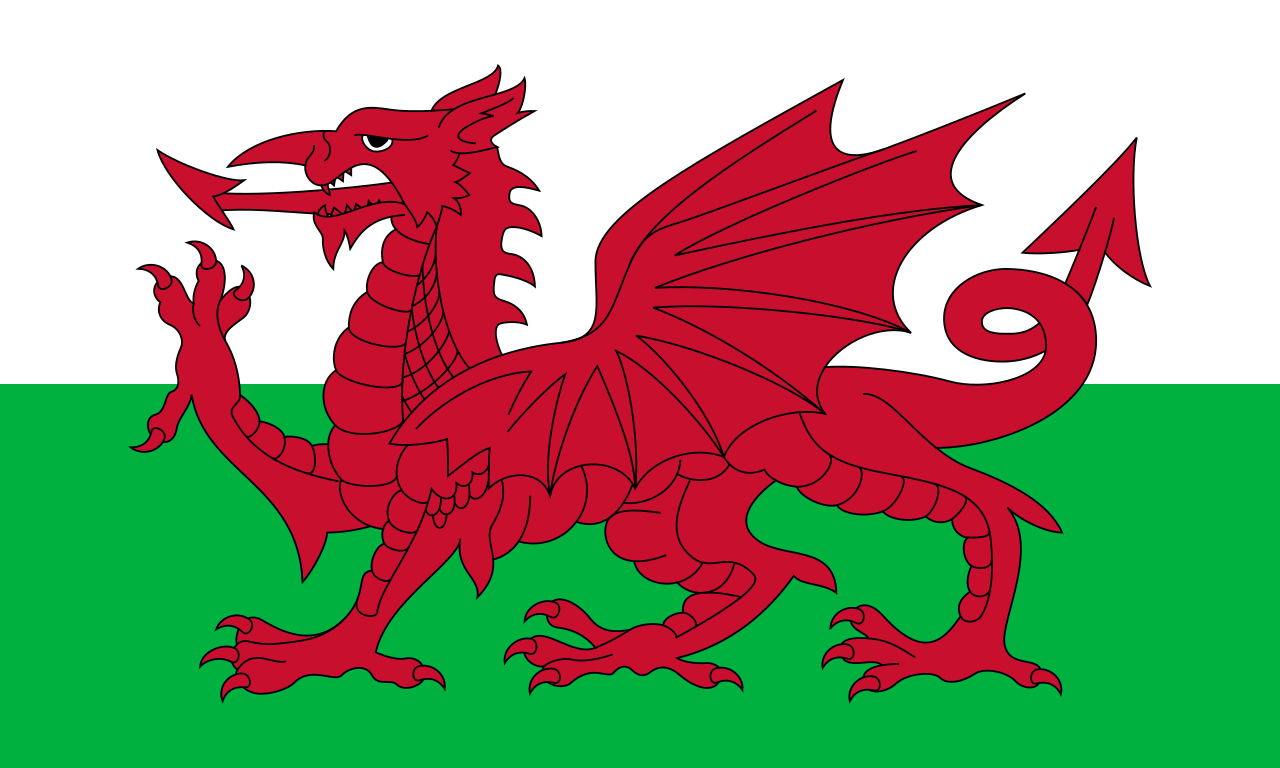
Wales is the most forgotten and least talked about nation in the United Kingdom. But it has it own history and culture. Throughout the Middle Ages, Welsh kingdoms often fought against attempts by England to control the region. One of the most famous Welsh leaders was Owain Glyndŵr, who led a major rebellion against English rule in the early 1400s. Despite resistance, England gradually gained control over Wales. In the 1500s, the Laws in Wales Acts 1535 and 1542 officially incorporated Wales into the English legal system and government.
During the 18th and 19th centuries, Wales became an important part of the Industrial Revolution. Coal mining and steel production grew rapidly, especially in southern Wales. Cities such as Cardiff and Swansea developed as major industrial and port centers, and Wales played a key role in supplying coal to industries across Britain. In modern times, Wales remains one of the four nations of the United Kingdom. In 1999, Wales established its own devolved government called the Senedd (Welsh Parliament), located in Cardiff. Today, Wales is known for its strong cultural identity, historic castles such as Conwy Castle, its mountainous landscapes including Snowdonia National Park, and its efforts to preserve the Welsh language and traditions.
Culturally, Wales has maintained a strong identity through its language, music, and festivals. The National Eisteddfod of Wales, a centuries-old festival celebrating Welsh music, literature, and performance, continues to be a cornerstone of national pride. Wales is also famous for its rich tradition of choirs, storytelling, and poetry, which helped preserve the language during periods of Anglicization. In modern times, Wales gained political recognition with the creation of the Senedd (Welsh Parliament) in 1999, allowing the country to make decisions on issues like education, health, and local governance while remaining part of the United Kingdom. Today, Wales is celebrated for its natural beauty—including Snowdonia National Park and the coastal paths of Pembrokeshire—its historic castles such as Conwy Castle and Caernarfon Castle, and its vibrant cultural life that blends tradition with modern innovation. Wales' history is one of resilience, blending resistance to external control with a deep preservation of culture, language, and identity, making it a unique nation within the UK today.